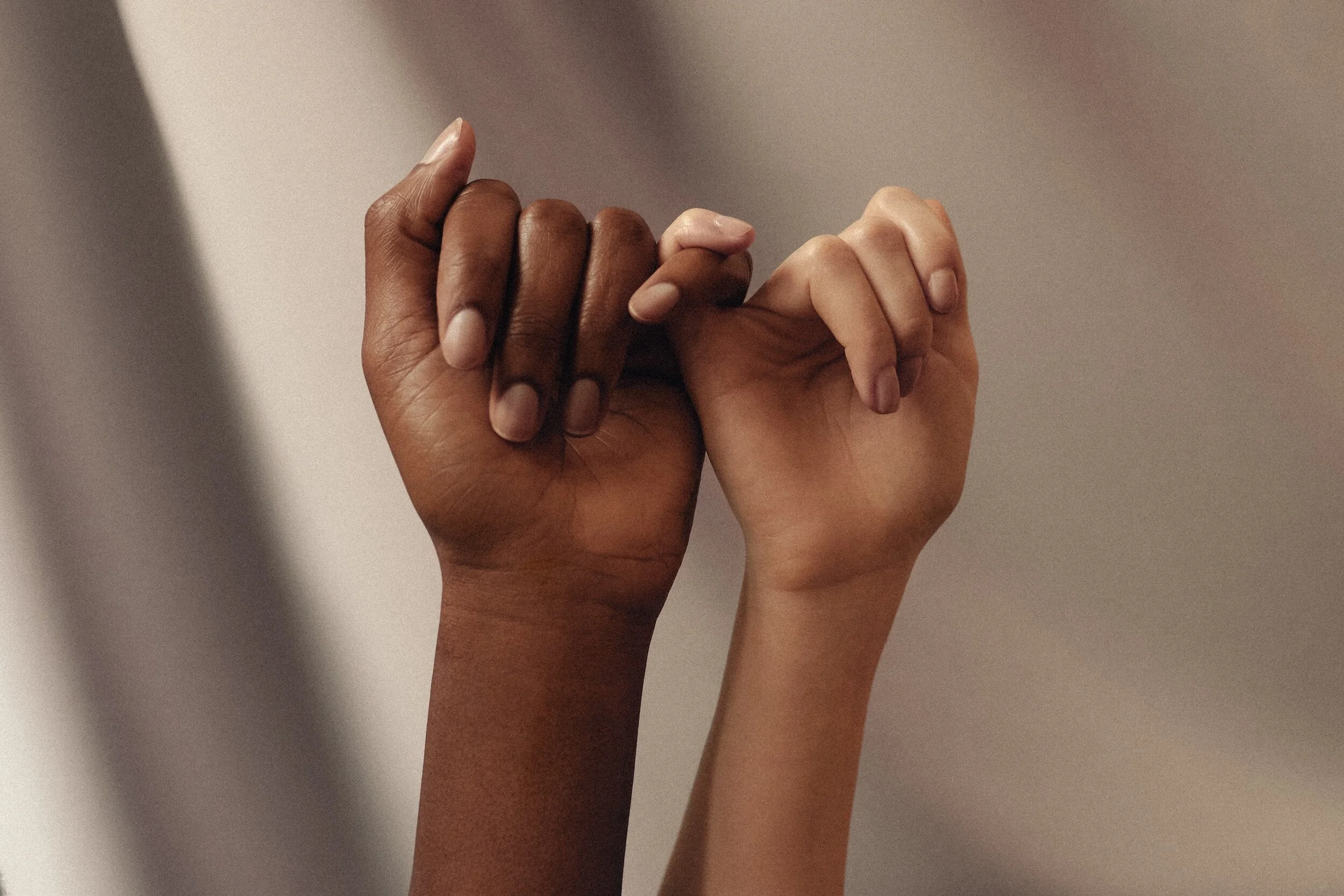
On Friendship
In friendships, we can experience connection, feeling seen, feeling desired, support, and play.
Over the last couple of years, I’ve thought a lot about the topic of friendship. What makes a friendship last, why some friendships fall apart, why making new friendships as an adult is so hard, navigating changes in friendships, and how friendship relationships are viewed in our society.
I, like many of you reading this, am a human who has experienced my own set of relationship changes in the last few years. Some have felt okay to me, and some have been really painful. This blog post is inspired not only by some of my personal experiences, but also many shared experiences I hear so many clients mention in therapy.
Last year, I read an article on friendship as our “first exposure to heartbreak” (linked here). This both surprised me, and also felt so incredibly validating. Often, before feeling ready to explore romantic relationships, friendships are some of the most impactful in our lives. In friendships, we can experience connection, feeling seen, feeling desired, support, and play. Friendships are also often a medium in which we learn who we are, what we’re interested in, and where we feel belonging.
Friendships might also be our first experience of these sacred things ending, sometimes abruptly and without understanding, leading to heartbreak and/or relational trauma.
It’s normal and natural for some friendships to end, or to only feel meaningful in a certain chapter of your life. This is true with any relationship, really. But sometimes the experience of this can be really painful, and same for the experience of trying to make new friends.
Into adulthood, many people are finding that they struggle to make new friends and/or maintain existing friendships in a way that feels fulfilling. People might be entering new stages of their career, having a family, or a serious romantic relationship, which many prioritize over friendship relationships. People also might be struggling with burnout, social anxiety or fear of rejection - research actually showed higher rates of social anxiety in the general public during & due to the coronavirus pandemic.
Additionally, many people don’t have a place other than work or home that they regularly go to, where they might see familiar faces and be able to build friendships naturally. And some do - but might still struggle with following through on planning time to hang out.
Typically when people are younger, school and organized sports or clubs are ways for kids to socialize and build friendships naturally. As adults, this requires intentional effort to create. Apps like BumbleBFF or MeetUp are created to help people connect over shared interests or hobbies.
While using apps to meet new friends may feel uncomfortable to some, it’s becoming a common norm, and can be helpful. While childhood school/sports/clubs provided more frequent and natural opportunities to get to know those around you, making friends in adulthood comes with a unique opportunity to be more intentional about what kind of friends you’d like to find.
Do you feel satisfied in your friendship relationships, or are there things you’d like to change?
What qualities or characteristics are important to you in order for a friendship to feel fulfilling?
You’re not alone if this all sounds intimidating or scary. Allowing people to know you takes courage and vulnerability! Processing these topics in therapy can be helpful - to feel clarity about what type of friendships you long for, helping anxious parts of you feel more seen and safe, and feeling more confident in trying something new. If any of this resonates, feel free to reach out.